Expert Tips for Maintaining a Clean Home in Humid Climates


Understanding the Challenges of Humid Climates
Living in a humid climate presents unique challenges when it comes to maintaining a clean home. High humidity levels can lead to mold, mildew, and unpleasant odors, making regular cleaning essential. Understanding how humidity affects your home is the first step in combating these issues.
Moisture can seep into walls, carpets, and furniture, creating an environment where mold thrives. This not only impacts the cleanliness of your home but can also affect your health. Therefore, it's crucial to implement strategies that address humidity-related problems.

Effective Ventilation Techniques
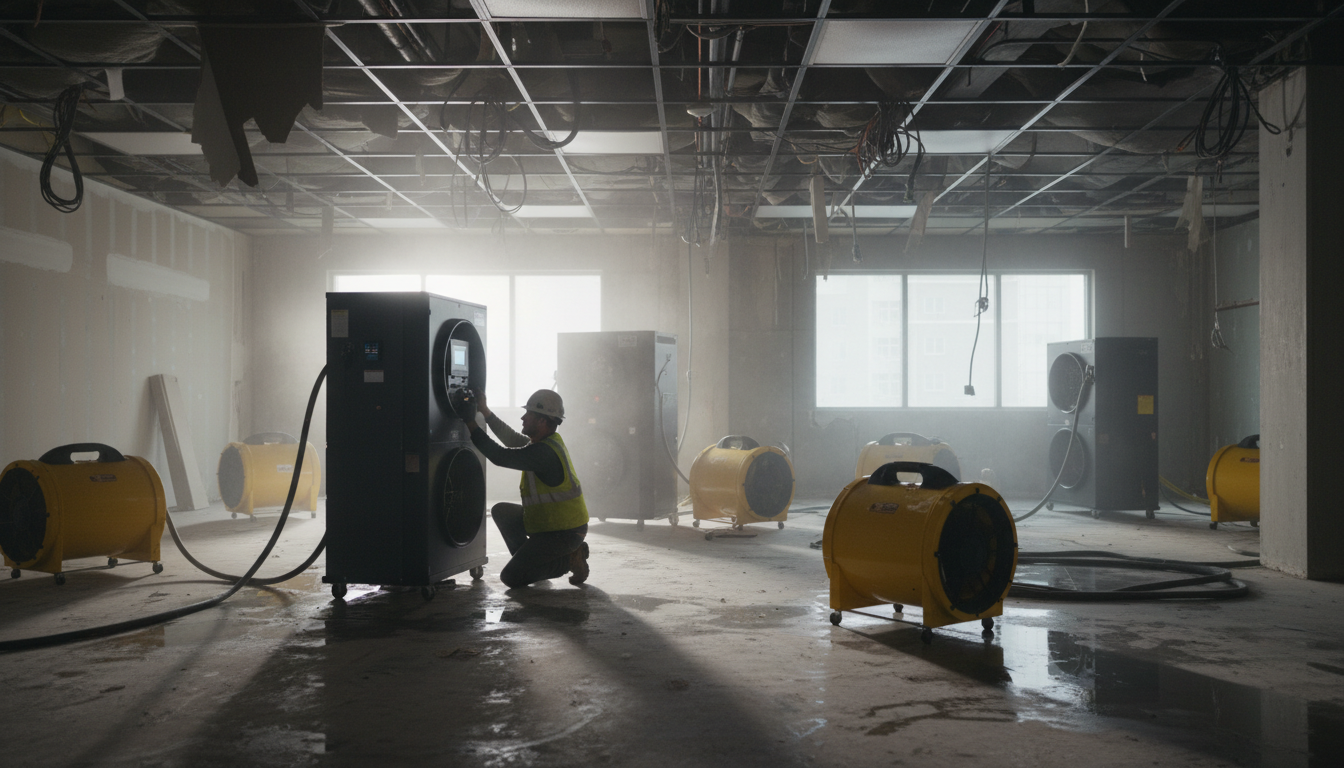
Proper ventilation is key to reducing humidity levels indoors. Ensure that your home is well-ventilated by regularly opening windows and using fans. Installing exhaust fans in areas prone to moisture, such as bathrooms and kitchens, can significantly reduce humidity.
Consider using a dehumidifier to maintain optimal humidity levels. These devices are particularly useful in basements and other enclosed spaces where moisture tends to accumulate. Regularly cleaning and maintaining your dehumidifier will ensure its effectiveness.
Choosing the Right Cleaning Products
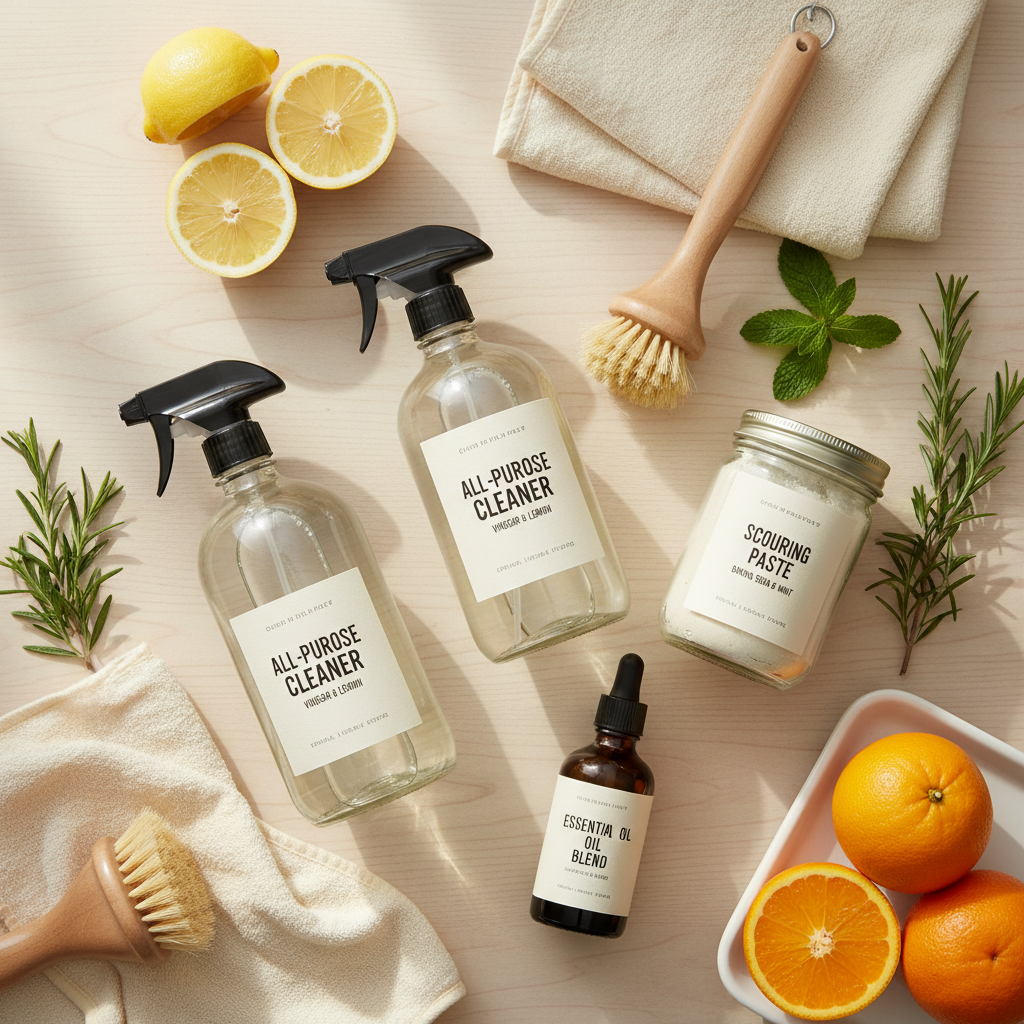
When dealing with humidity, selecting the right cleaning products can make a big difference. Opt for mold and mildew-resistant cleaners, which are specifically designed to tackle the issues arising from high humidity. These products can prevent the growth of fungi and keep your home smelling fresh.
Natural cleaning solutions, such as vinegar and baking soda, are also effective in combating mold and mildew. They offer a chemical-free alternative that is both safe and environmentally friendly. Regular use can help maintain a clean and healthy home environment.
Regular Maintenance and Cleaning Routine
Establishing a consistent cleaning routine is essential in humid climates. Frequent cleaning prevents the buildup of moisture and reduces the risk of mold and mildew. Focus on areas that are more susceptible to dampness, such as bathrooms, kitchens, and basements.
Use moisture-absorbing materials such as silica gel packs or activated charcoal in closets and storage areas. These materials can help keep humidity levels in check and protect your belongings from damage.
Protecting Fabrics and Upholstery
Fabrics and upholstery are particularly vulnerable to the effects of humidity. Regularly vacuuming and airing out carpets, curtains, and furniture can prevent moisture accumulation. Consider using slipcovers or washable throws to protect your upholstery.
For additional protection, use fabric sprays designed to repel moisture and prevent mold growth. These products can add an extra layer of defense against the challenges posed by a humid environment.

Final Thoughts
Maintaining a clean home in humid climates requires diligence and the right strategies. By understanding the challenges and implementing effective solutions, you can create a comfortable and healthy living space. Regular maintenance, proper ventilation, and the right cleaning products are your best allies in this endeavor.
Stay proactive in your approach, and you'll be able to enjoy a clean, fresh, and mold-free home environment, regardless of the humidity outside.