Debunking Common Cleaning Myths: What Really Works


Understanding the Truth About Cleaning Myths
Cleaning is an essential part of maintaining a healthy and pleasant home environment. However, with so many tips and tricks circulating, it's easy to fall for common cleaning myths. In this post, we'll explore some of these misconceptions and reveal what really works.
Myth 1: Vinegar Can Clean Everything
Vinegar is often touted as a universal cleaning solution, but it's not suitable for every surface. While vinegar is excellent for cutting through grease and deodorizing, it can damage natural stone surfaces like granite and marble. Instead, use a pH-neutral cleaner for these materials to avoid etching and dulling.
For glass and mirrors, vinegar works wonders, leaving a streak-free shine. However, when dealing with stubborn stains or grime, a specialized cleaner might be necessary to achieve the best results.
Myth 2: Bleach Is the Ultimate Disinfectant
Bleach is a powerful disinfectant, but it isn't a one-size-fits-all solution. It effectively kills germs on non-porous surfaces like countertops and bathroom tiles, but it doesn't clean dirt or grime. Always clean the surface with soap and water first before disinfecting with bleach.
Additionally, bleach can be harmful if mixed with other cleaning products, especially ammonia, leading to the release of toxic gases. Always use bleach in a well-ventilated area and follow the manufacturer's instructions for safe use.
Myth 3: Newspaper is Best for Cleaning Windows
Using newspaper to clean windows is a traditional method, but it may not be the most effective. Modern newspapers are often made with thinner paper and different ink formulations, which can leave streaks or ink residue on your glass.
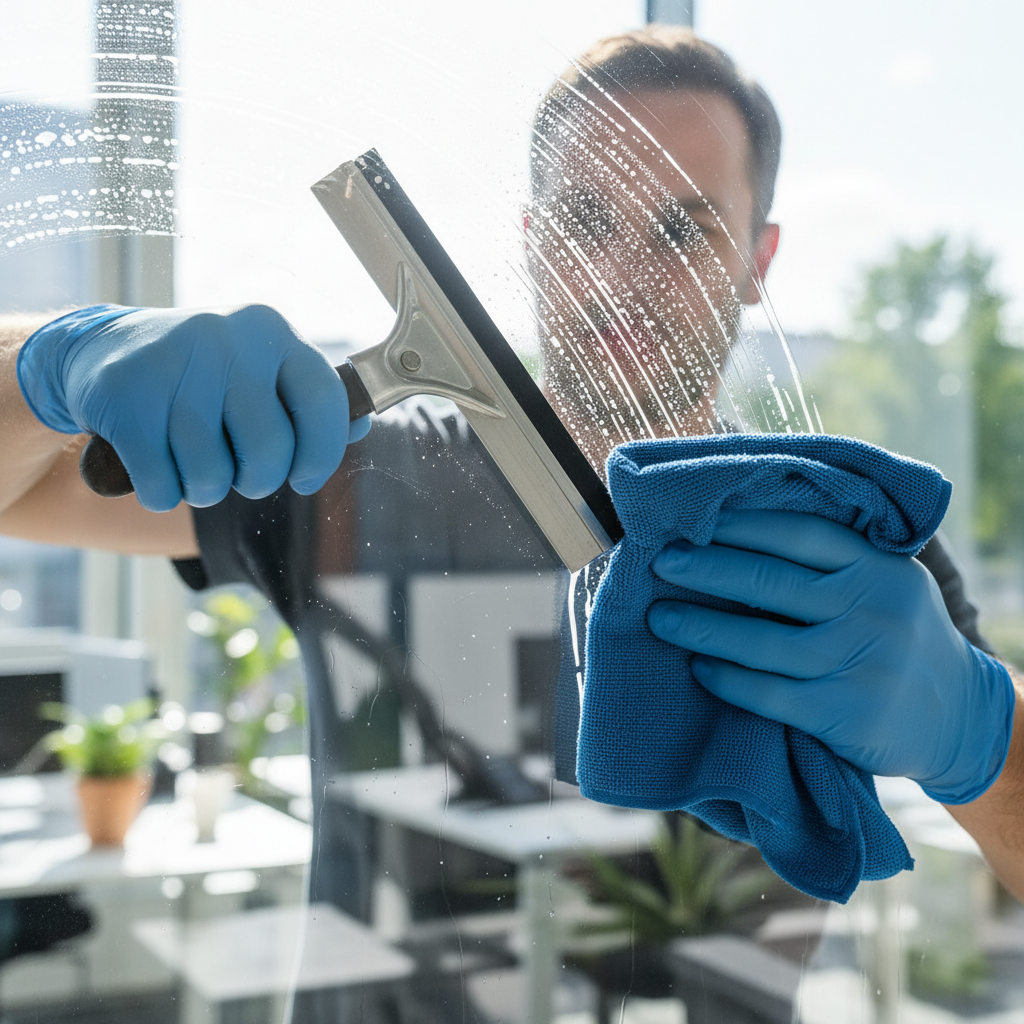
Instead, opt for a microfiber cloth or a squeegee for a streak-free finish. These tools are specifically designed to trap dirt and moisture without leaving any residue behind.
Myth 4: More Detergent Means Cleaner Clothes
It's a common belief that using more detergent will result in cleaner clothes, but this is not the case. Excessive detergent can leave a residue on clothing and in your washing machine, potentially leading to unpleasant odors and reduced efficiency.
Follow the manufacturer's guidelines for the appropriate amount of detergent based on your load size and water hardness. This ensures that your clothes are thoroughly cleaned without any leftover soap.
Effective Cleaning Practices
While debunking these myths, it's essential to focus on effective cleaning practices. Always read labels and follow instructions on cleaning products. Regular maintenance and using the right tools for the job can make all the difference in achieving a truly clean home.
By understanding what works and what doesn't, you can save time, protect your belongings, and maintain a healthier living space. Remember, knowledge is power, especially when it comes to keeping your home sparkling clean.