Debunking Common Cleaning Myths: What Really Works?


The Truth About Vinegar as a Cleaning Agent
Vinegar has long been touted as a miracle cleaner, capable of tackling everything from grime to odors. However, while vinegar is indeed effective for certain tasks, it is not a one-size-fits-all solution. Its acidic nature makes it unsuitable for cleaning natural stones like granite or marble, as it can cause etching.
For those who love using vinegar, it's perfect for cutting through grease and deodorizing. However, when it comes to disinfection, vinegar falls short. It's important to pair it with other cleaning agents, such as baking soda, for enhanced results.
The Myth of Disinfecting Wipes
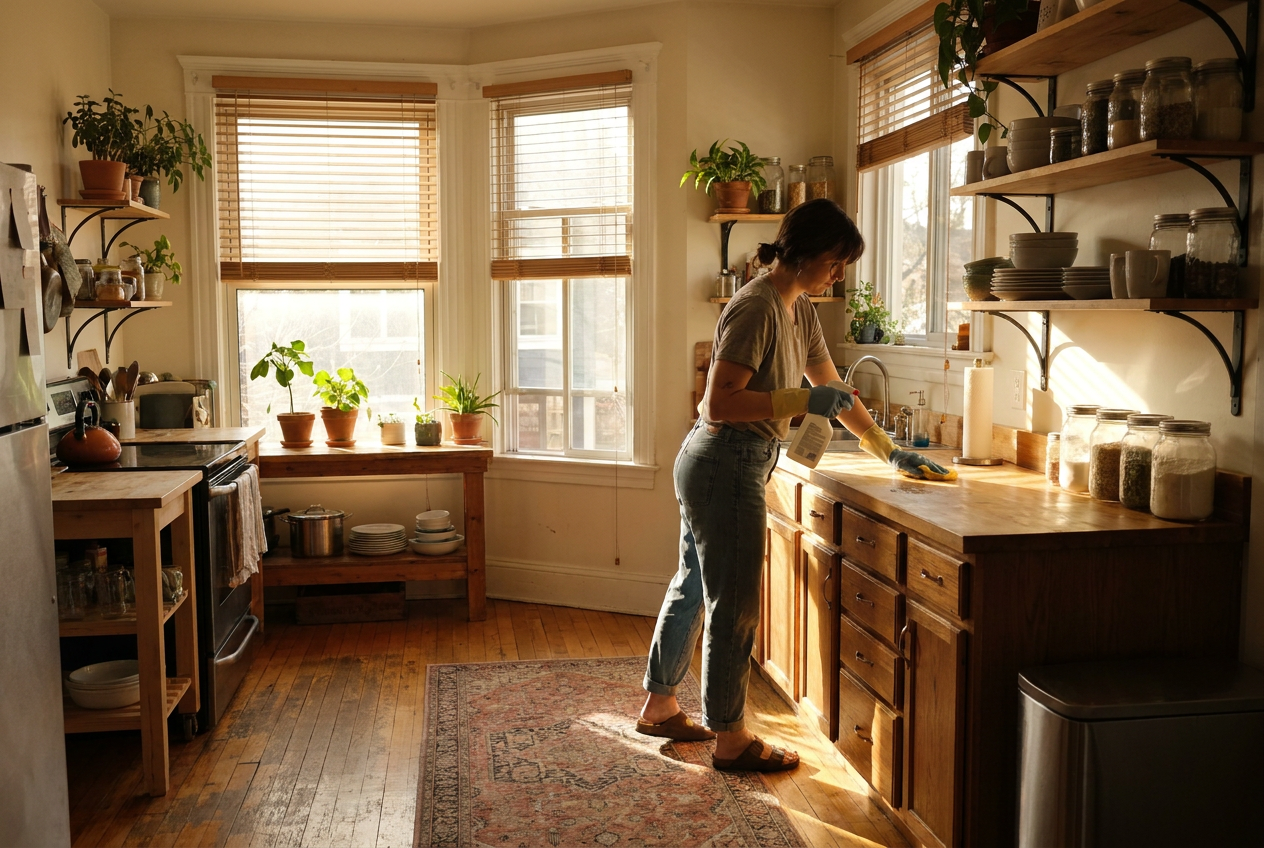
Disinfecting wipes have become a staple in many households, especially for quick clean-ups. However, they are often misused. Many people don't realize that simply wiping a surface isn't enough. Most wipes require the surface to remain wet for a specific amount of time to effectively kill germs.
It's essential to read the instructions on your wipes to ensure you're using them correctly. Moreover, while they are convenient, they might not be the most environmentally friendly option. Consider using reusable cloths and a disinfectant spray for a more sustainable approach.
Lemon Juice: Not a Universal Cleaner
Lemon juice is another popular natural cleaner believed to have miraculous properties. While it's great for cutting through grease and leaving a fresh scent, it's not effective against bacteria and viruses. Lemon juice is best used for polishing metal surfaces or removing stains, but it shouldn't be relied upon for deep cleaning.
Soap and Water: The Unsung Heroes
In the quest for cleanliness, good old soap and water are often overlooked. Despite the influx of new cleaning products, soap and water remain incredibly effective for most cleaning tasks. They're particularly good for removing dirt and grime from surfaces.
For those concerned about germs, washing surfaces with soap and water followed by a disinfectant can offer a comprehensive cleaning solution. It's a simple yet powerful method that works for most household tasks.
The Bleach Misconception
Bleach is often considered the ultimate disinfectant, but it’s not always necessary or appropriate. While bleach is effective for killing germs, it can be harsh on surfaces and irritating to the skin and respiratory system. It's crucial to use it in well-ventilated areas and dilute it correctly.
Baking Soda’s Real Role
Baking soda is often hailed as a versatile cleaner. While it excels at deodorizing and scrubbing, it doesn’t disinfect. Its mild abrasiveness makes it perfect for cleaning sinks, ovens, and even removing stubborn stains from fabric.
To maximize its effectiveness, pair baking soda with other cleaning agents depending on the task at hand. For instance, a paste of baking soda and water can work wonders on tough stains.
Essential Oils: More Than Just a Pleasant Scent
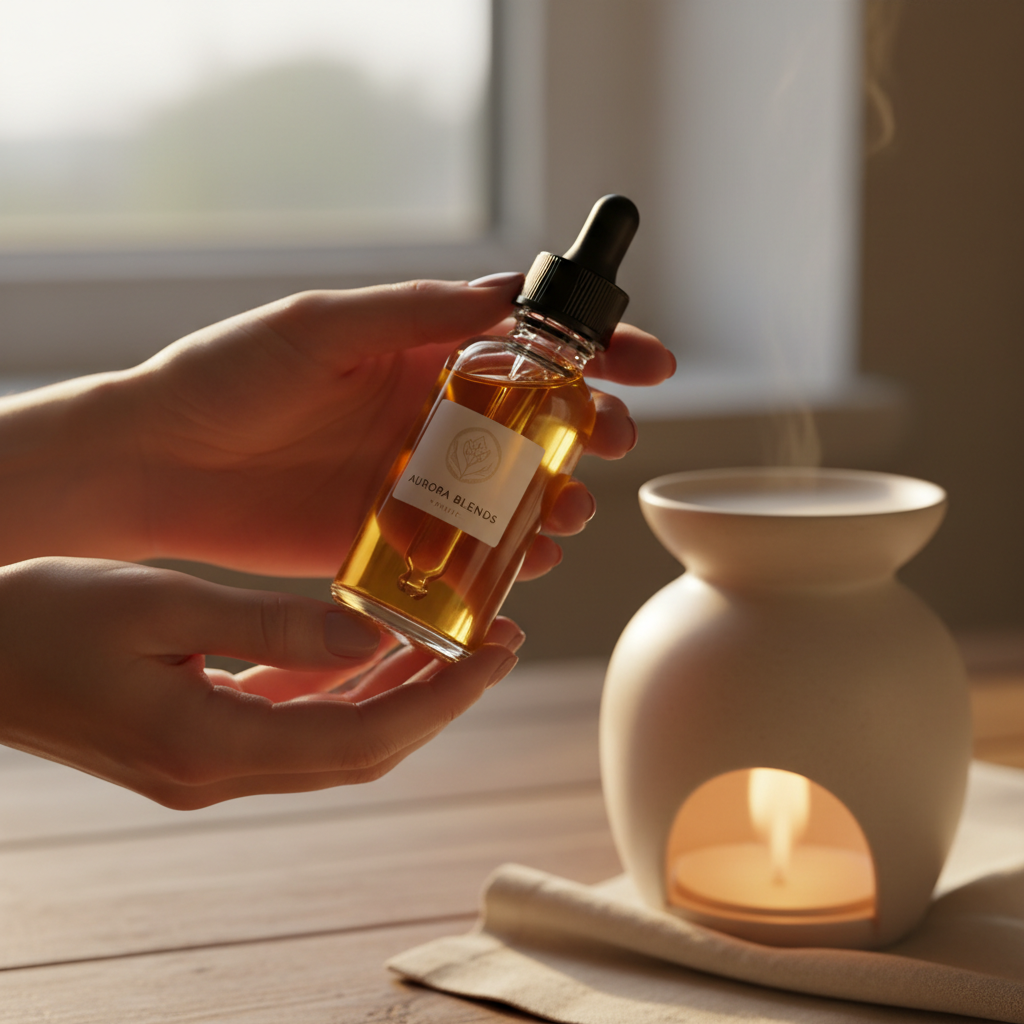
Many people believe that essential oils are purely for aromatherapy, but they can also play a role in cleaning. Certain oils, like tea tree and lavender, have natural antibacterial properties. However, they should be used as a complement to other cleaning methods, not a replacement.
Final Thoughts on Effective Cleaning
Understanding what works and what doesn't in cleaning is crucial for maintaining a healthy home. By debunking these common myths, you can make informed choices about which products to use. Remember, the key to effective cleaning often lies in using the right methods and combinations rather than relying on a single "miracle" solution.